Smokeless Steak = Household Harmony

February 16th, 2013 § 3 comments § permalink

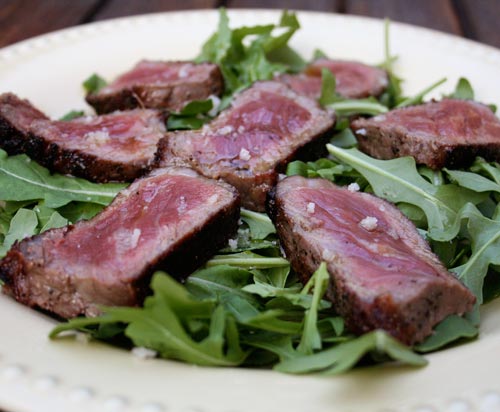
About once a month (okay, twice a month) HG likes a big, rare rib steak for dinner. Tuscasn style (like you get it in a good Florence trattoria). Blood rare. Good olive oil poured on at serving. Accompanied by Capellini beans that have had a nice hit of sauteed garlic. (Must discourage Dracula). This gets a frown from BSK. She doesn’t object to the cholesterol or calories. She objects to the inevitable smoky kitchen. That’s because HG sears the steak on a bed of kosher salt in a white-hot big, black cast iron pan. Only way to cook a steak, insists adamant HG. Now, there seems to be a cooking compromise that will please BSK. Melissa Clark, in the NY Times. suggests doing steak this way: Heat a cast iron pan until very hot. Turn on the broiler in the oven. Put the steak on pan and, with care and using pot holders, put the pan and steak under the broiler. Melissa suggests broiling a thick steak for about seven minutes. Bloody minded HG would cook it for less. Must try this method. Will sacrifice for household peace. Will report on how experiment turns out.

Mitchell, McNulty (and SJ)

February 14th, 2013 § 0 comments § permalink

In the most recent New Yorker Magazine, there is a beautiful, heartbreaking piece by the late Joseph Mitchell (1908-1996) entitled: “Street Life: Becoming Part of the City.” In a brief introduction, the New Yorker states: “What follows here is the initial chapter of a planned memoir that Mitchell started in the late sixties and early seventies but, as with other writings after 1964, never completed.” From 1964 to 1996, Mitchell went to his New Yorker office every day but never published a word. Street Life proves once more that nobody wrote about New York City, its places and people, with Mitchell’s eloquence, grace and sensitivity. It is heartbreaking for lovers of the New York City and journalism (a type of journalism that can only be described with the adjectives: literary and poetic) that Mitchell did not publish for 32 years. If you haven’t read Mitchell, check out Amazon for his books (collections of his New Yorker articles). You will be rewarded. Mitchell wrote wonderfully about food — namely seafood (though he did the definitive article on a gluttonous old New York event called a “Beefsteak”). Mitchell loved the Fulton Fish Market, its Sloppy Louie’s Restaurant and its unique raffishness. One of his composite characters, Old Mr. Flood. describes himself as a seafoodetarian. While Mitchell was the Poet Laureate of the Fulton Fish Market, another New Yorker writer, the lamentably short lived John McNulty (1896-1956), was the Poet Laureate of Third Avenue (the Third Avenue which had an El rumbling overhead; the Avenue which was lined with Irish saloons and Jewish pawn shops). Nobody ever wrote better about ordinary New Yorkers, horseplayers, bar room beer drinkers, unsung laborers, office workers, news dealers, etc. James Thurber, his New Yorker colleague, said about him: “Nothing, however commonplace, that he touched remained commonplace, but was magnified and enhanced by his intense and endless fascination.” (Permit justified parental pride. The same words could be applied to SJ and the series of “Sad Chairs” photos and poetic prose SJ posts almost daily on his Sad Chairs Blog. Better than anyone, SJ evokes the bittersweet qualities of urban life. Log into http://sadchairs.tumblr.com/ to experience a very individual view of the city.)

Happy Homecoming

February 12th, 2013 § 0 comments § permalink

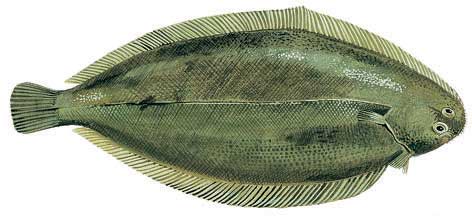
A very-much-missed BSK arrived home yesterday after a five day trip to Florida to visit her 93-year-old Mom. HG prepared the welcome home dinner: Kir Royale cocktails. Then some more sparkling whites with Norwegian gravlax which is lightly cured in salt, sugar and dill and expertly sliced in paper-thin servings. HG made a simple dressing of Dijon mustard, olive oil, sugar and dill to highlight its perfection. Main dish was Petrale sole, dusted in Zatarain’s fry mix and lightly sauteed in hot grapeseed oil. Accompanied by boiled fingerling potaotes sprinkled with olive oil and dill. Drank House wine from Washington State (HG does not comply with the outdated white wine with fish rule — except in the case of smoked fish). Butter lettuce salad. A bit of triple creme Brie. Port and a nut cookie. For HG, best part of the meal was seeing BSK’s face across the dining table.

The One & Only Les Krims

February 11th, 2013 § 2 comments § permalink

Recently HG used the cover of Les Krims‘ wonderful book, Making Chicken Soup to illustrate HG’s post on his Mom’s soups. This illustration drew much comment. To clarify, the elderly model making chicken soup in the semi- nude (topless) is not HG’s sainted mother. It is in fact Les Krims’ mother and Making Chicken Soup is both hilarious and ripe with Oedipal pathos…Or maybe it is that Oedipal pathos which makes it hilarious, which is precisely the point. A critic has noted that Krims’ photos create “outrage or laughter — or both.” In any case, he is a true, mind bending original. A long time teacher at Buffalo State College, he has not received the recognition he deserves. Cindy Sherman was one of his students and was obviously influenced by his staged photographs. She has gained renown (and financial rewards) while Krims has not. Search out Krims’ photos. They are unforgettable. An HG favorite is: “The Static Electric Effect of Minnie Mouse on Mickey Mouse Balloons.” (1968). While his photographs are radical, Krims’ political beliefs are very conservative (He admires George Bush, for example). Go figure.

Mom’s Soups

February 10th, 2013 § 1 comment § permalink

As HG luxuriates in front of a crackling fire at his New Mexico home watching news reports of three foot snow drifts battering the East Coast, HG notices a funny sensation. A nostalgic hunger for the soups HG’s Mom fed the family. They warmed HG and family in the winter and cooled them in the summer. Winter-time soups were either kapustah or potato soup. Kapustah, as HG recollects it, was a cabbage, onion, tomato, garlic melange in a beef broth enlivened with chunks of boiled beef. This was topped with a big ladle full of sour cream plus some fiery, freshly grated horseradish. With a few slices of Stuhmer’s (or Pechter’s) pumpernickel (with the savory spread of chicken fat and coarse salt) this was a solid, filling, cold weather dinner. The potato soup was simple. Just boiled potatoes and onions in a rich beef stock. A lunch dish. Warm weather soups were beet borscht and schav, both served cold. Mom’s borscht was incomparable. She used something she called “sour salt” to balance the sugary earthiness of the beets, giving the soup a distinctive sweet-tart taste. It received the usual topping of sour cream plus a healthy shower of chopped scallions and radishes. It was accompanied by a hot, buttered boiled potato. Schav was a sorrel soup, mouth puckeringly sour. Unlike the English Sorrel soup, the sorrel in Schav is not pureed but left in its leafy state. This soup was served icy cold (sometimes ice cubes were added to the bowl). Sour cream, naturally, and the obligatory boiled potato. During those non-air conditioned years of yesteryear, schav was a lifesaver on a blazing New York summer day.

Paris & London: First Trip

February 9th, 2013 § 0 comments § permalink

The year was 1966, HG and BSK were off on their first European trip. Five days in Paris. Five days in London. They were accompanied by two-year-old Lesley, their remarkably precocious, articulate (and, needless to say) beautiful daughter. The dollar was strong. Stayed at the Hotel Pont-Royal on Rue du Bac in Saint Germain des Pres. The hotel was arty, picturesque, nicely shabby (and cheap). Now it is super posh following numerous expensive makeovers (there’s a Jöel Robuchon restaurant on the premises). Steeped in intellectual nostalgia for the Existentialists HG and BSK’s first stop was at Cafe Flore. During the German occupation, intellectuals gathered at the well heated Flore rather than their pre-war cafe-of-choice Deux Magots, the other great St. Germain cafe, because Deux Magots was favored by German officers. (Little did HG and BSK know at the time that they needn’t have traveled far for their nod to intellectual greatness as the basement bar of the Pont-Royal was the hangout of the most advanced intellectuals, political engages, writers and philosophers. It was where Sartre and Simone de Beauvoir held forth when they were not pontificating at the Cafe Flore.) Little Lesley had her first Croque Monsieur. Loved it and subsisted on those sandwiches for the entire Paris visit. HG and BSK were enthralled by the style and elegance of the Parisians. It was April in Paris. The costume for young women was a vivid, clingy sheath and a short leather jacket. (These items — plus a tweedy topcoat — were immediately purchased by BSK and, of course, BSK was the height of casual chic.) In order to fit into the Paris scene, HG visited a Boulevard Saint Germain shop for some stylish suits and a blazer. The welcome to HG was cool. Then HG had an insight. HG spoke to the store manager in Yiddish. Everything changed. HG was treated like a long lost son. Received a discount. Clothes were instantly altered and delivered within a few hours. Stylishly clad in their new duds, the duo dined at the famed Laperouse, a restaurant renowned for high cuisine and discreet private rooms for amorous gourmands. HG and BSK ordered badly. Heavy, heavy cream and butter sauces. BSK became ill and was laid up for a day. HG and little Lesley explored the lovely streets and squares of the district, pausing before many enticing shop windows. Naturally, there were many stops for Vin Rouge for HG and un chocolat chaud for Lesley. Once BSK’s health and appetite returned, the trio was off to museums; Luxembourg Gardens (Lesley was delighted by the puppet show); a stroll through the Tuileries to the Louvre; a visit to a toy store an the Champs Elysee, etc. On the last night in Paris a baby sitter took Lesley to a carousel (and a dinner of a Croque Monsieur and hot chocolate, naturally). HG and BSK dined at a Left Bank bistro. A bottle of very good, young Beaujolais. The waiter brought a platter of thick, white steamed asparagus (first of the Spring) wrapped in a linen napkin. A big bowl of Sauce Mousseline (better than Hollandaise). Heaven. This was followed by gigot, rosy slices of young, roasted lamb. An abundance of perfect pomme frites. Next course was a small green salad with a wedge of ripe camembert. Dessert was bowls of wild strawberries with creme fraiche. Then, strong demi tasse and (for HG) a snifter of cognac. It was the perfect meal.

London was not an anti-climax. HG and BSK had smoked salmon and Dover sole at Wheeler’s. Traditional roast beef and Yorkshire Pudding at Simpson’s in the Strand. Afternoon tea at Brown’s. A visit to the National Museum. Strolls in the beautiful parks. An amplitude of fish and chips. For Anglophiles like HG and BSK it was the culmination of many childhood dreams. This was the time of Mod London and so a visit to Carnaby Street, the center of Mod fashion, was obligatory. Here, the proud parents kitted Lesley out in striped bell bottom trousers and a vivid safari jacket. There was universal agreement that she was the hippest, cutest little girl in Britain.

Red Salmon Caviar

February 8th, 2013 § 0 comments § permalink

HG has often penned sentimental, tearful reminiscences about the days when black, lush Iranian and Russian Beluga, Sevruga and Grosrybest caviar was affordable and could be consumed in large quantities. Caviarteria and Zabar’s provided this good stuff and it became a staple at HG family celebrations. Gone are those days. Now,only Russian oligarchs and hedge fund billionaires can afford it. ( Plutocrats also lack a conscience. This enables them to eat this over-fished and unsustainable foodstuff). However, there is a silver (or red) lining. Red salmon caviar is still available, in plentiful supply and priced appropriately. Russ & Daughters sells Alaskan Wild Salmon Caviar for $40 for an 8.8 oz.crock. Zabar’s red salmon caviar is a bit cheaper but the Russ & D. product is just a mite better. There are three good ways to eat the product. HG’s top choice is with blini and creme fraiche. (Excellent blini can be made from Roger Sherman’s recipe in the Canal House cookbook). Number two is with very, very softly scrambled eggs and creme fraiche (or sour cream) and some fried onions. Number three is stuffed into a baked potato with plenty of butter and sour cream. HG and BSK’s grandson, Handsome Haru, likes to top a bowl of Japanese rice with the caviar.

Permit HG a nostalgic Beluga detour. In the early 60’s, HG lifted weights and played racquetball at a W. 45th Street gym. A companion was a large man who had a delectable job. He was a sales manager of the Romanoff Caviar Company, a leading importer of Russian caviar. Every Saturday morning, HG would bring to the gym a bottle of icy vodka, sweet butter and a loaf of Russian pumpernickel. HG’s comrade brought a one pound (yes, one pound) jar of Beluga. After their exercises were complete, the healthy duo consumed this wonderful snack. Sadly, HG’s comrade died prematurely and the Beluga orgy ended. But, Russ & D.’s product remains to bring solace to HG’s golden years.

Table Utensils

February 6th, 2013 § 0 comments § permalink

It may seem an obvious point, but good tableware enhances dining and it is often overlooked. HG and BSK are not pretentious table setters. But, there are some utensils treasured by the duo. Laguiole steak knives not only do an efficient job on steaks, chops and roast chicken, they introduce history to the table. These slim elegant blades stem from the Moorish-Spanish navaja blade which at some point merged with the French everyday knife, the capauchadou. The Laguiole knife, designed by Jean-Pierre Calmels in 1829, was born in the French city of Thiers in the Aveyron region and the authentic Laguiole knives are still manufactured there. Calmels gave the knife a distinctive “bee” symbol. This “bee” has imperial origins. Supposedly, Napoleon awarded “bee” symbols to brave soldiers. Other than knives BSK has collected the couple’s deliciously over-sized, silver plated forks and soup spoons from various London antique market stalls. The stall merchants always assured BSK: “They’ll shine up luvly, Miss.” And, so they did. Over the years, BSK managed to find some nice, old fashioned fish implements and forks with bakelite handles. Not used often, but they’re fun. HG likes to decant a good wine. Fancy decanters are hard to wash. HG found the perfect solution at the shop in the Paris Musee d’Arts Decoratifs: An oversized, thin glass carafe with an indented top for pouring. HG has added a glass funnel for further aeration. Gives wine added verve.

The Alternative Universe of Andy Hardy

February 4th, 2013 § 0 comments § permalink

HG grew up in the Depression era-Bronx. A Jewish-Italian-Irish population. Noisy. Rambunctious. Sporadically violent. HG’s family was immigrant Jewish. The language of HG’s parents was heavily accented English plus Yiddish, patches of Russian and Polish. The family atmosphere was emotionally intense and very noisy. Voices were always raised in order to give communication the proper emphasis. Suffice it to say that it was (despite its many wonderful and much missed qualities) a claustrophobic and insular world. HG’s knowledge of the greater American world was gained from the Andy Hardy movies (Mickey Rooney, Lewis Stone, Kay Holden, Ann Rutherford); the Jack Armstrong-All American Boy serial on radio (sponsored by Wheaties-Breakfast of Champions) and the mystery solving books starring the Hardy Boys. Of the three fictions, HG found greatest comfort in the alternative universe presented by Andy Hardy. Andy lived in a one-family home on a tree lined street in a small town. Not in a stuffy, big city apartment. Andy’s Mother and Father spoke to each other courteously. Andy called his Father: “Sir.” The home atmosphere was quiet, serene. Yes, Andy was sometimes guilty of naughtiness (very minor league, in HG’s opinion). When that happened there was no screaming or hitting. Instead, Andy’s father, Judge Hardy, said, in a low, stern voice: “See me in my study, young man.” Study. What a magic, resonant word. It carried connotations of great civilization that was sorely lacking in HG’s Bronx world. HG vowed that there would be a study in HG’s future. And, so it would come to pass. HG is writing these very words in HG’s study in HG’s quiet and serene New Mexico home. Damn. HG is living in a movie.

Russ & Daughters, Sex and Liebling

February 3rd, 2013 § 0 comments § permalink

The late, great journalist and press critic, A.J. Liebling, wrote the best book about dining (and Paris): Between Meals. He enjoyed many things besides food and drink (though he literally ate and drank himself to death). The Sweet Science reflects his love of boxing. The Jollity Building, The Honest Rainmaker and Earl of Louisiana are testimony to his fascination with raffish and outsize characters. He also had a nice habit of linking amorous pleasure with gustatory delight. He said the hearty eater thinking about the next fine meal is like the lover contemplating a future assignation. There is a threefold pleasure: Anticipation. Consummation. Reflection. HG thought about this as he opened a Fed Ex box from the wonderful Lower East Side smoked fish emporium, Russ & Daughters. It was packed meticulously and everything arrived in perfect condition. Smoked salmon. Sable. Salmon Caviar. Herring. Various fish salads. Cream cheese. Creme Fraiche. The bialys were a pleasant surprise. Oniony. Lightly browned. The real deal. When the last bialys from Russ were not gold standard, SJ admonished HG: “You don’t order herring from a bakery. You don’t order bialys from an appetizing store.” This batch of super-bialys proves SJ may be in error. As the chef/writer/television personality Anthony Bourdain has written: “Forget the Empire State Building, the Statue of Liberty…New York’s greatest living institution is very likely Russ & Daughters: A temple of uniquely New York deliciousness, Zen-like perfection and a repository of generations of wisdom and experience.”

Anyway. The Polish vodka is in the freezer. Anchor ale and Muscadet are in the refrigerator. All is in readiness for a David F. birthday party. Known as “The Dude,” (because of his resemblance to the protagonist of The Big Lebowski,) David F. is a bon vivant, novelist and former innovative educator. Should be a swell party. Meanwhile there is Anticipation. Consummation and Reflection will come later.