Raw Treats

April 10th, 2013 § 0 comments § permalink

HG likes fresh, seasonal raw vegetables. A healthy, festive way to dine with friends is to prepare a very big platter of crudites (as raw vegetables are described on Paris bistro menus.) Broccoli and cauliflower florets. Scallions. Slivers of fennel. Radishes. Slices of young turnip. Red pepper slices. Fava beans in a bowl, sprinkled with olive oil and shavings of pecorino cheese. Set the table with small bowls of good olive oil (fruity Sicilian, robust Greek, flavorful Californian). Maldon Sea Salt. A pepper grinder. Sourdough bread, toasted and rubbed with garlic. Bagna Cauda (olive oil, garlic, anchovy mixture lightly heated)…And, Dukkah. What is “Dukkah,” you may inquire? It is an Egyptian mixture of ground hazelnuts, sesame seeds, spices. A little bit hot. Very addictive. Have lots of red wine and some chilled white ready to pour. Let the feast begin. Dip. Crunch. (HG likes to dunk bread spears into olive oil and dip them in Dukkah. Ah !!). HG follows this with a simple dish of pasta (capellini) with anchovies and garlic (pour the remains of the Bagna cauda over it). Fresh fruit for dessert. Keep the laughter going with after feast grappa, brandy or sambuca.

Faux American In Paris

April 9th, 2013 § 0 comments § permalink

When Paris chefs try to create simple American dishes they fail miserably. Paris is in the midst of a hamburger craze and, according to HG’s informants, the Paris hamburger is laughable. It is devoid of that certain tang that is only achieved at the great American burger emporiums like Bobcat Bite in Santa Fe or Burger Joint in New York (strangely located behind a curtain in the lobby of the super-posh Parker Meridien Hotel). There is some disagreement, but HG believes great steak and fries can only be obtained at the renowned New York steak joints like Spark’s and Peter Luger’s. (Severo, a darling of Parisian critics, serves a pallid version in HG’s opinion). In the latest challenge to American supremacy, The Lobster Roll Bar has opened in a fashionable section of Paris. And, how good is their seaside treat? Fuhgeddabout it !!! Discerning American experts have described the roll as too sweet and the binding mixture as insipid. (And the price for their lobster roll is about $32). If you want to know how to prepare a great lobster roll at home check out HG’s post of Sept. 9, 2012 entitled: Attention Must Be Paid. HG’s advice to the French: Stick to what you do best — escargots and silly philosophising about amour.

Al Dente Vegetables? Not on HG’s Watch!

April 6th, 2013 § 2 comments § permalink

There seems to be a prevalent belief among American professional chefs and home cooks that vegetables should be cooked al dente — just a shade softer than raw. The technique (fostered by the late Julia Child): Blanch vegetables in boiling water. Remove. Stop the cooking by rinsing in ice water. Saute briefly. Serve. HG disagrees. Like our neighbors in the Southern states, HG likes soft vegetables cooked into creamy goodness. (There is an exception. BSK cooks a very al dente broccoli di rabe with lots of garlic and red chili. It’s good. Would be better if she left it in the pan for another ten minutes). HG likes the well done haricot verts in Paris (and the glazed carrots served in bistros with some beef stews). Italians, who can be immoderate in politics, choose a middle way in cuisine. They don’t like things too hot or too cold. And they like–as is proper–vegetables cooked beyond the al dente stage. HG has very few cooked vegetable allies. But, an outstanding advocate of slow and long vegetable cooking is Lesley Porcelli (a woman of Italian lineage, of course). You can find an excellent article by her in the October 2011 issue of Saveur Magazine. Take a peek at her recipes: Slow-coked broccoli di rabe with crushed red chiles and garlic; olive oil braised mixed vegetables; Indian- style carrots with mustard seeds; braised celery and tomatoes; Lebanese-style green beans with chick peas in olive oil. All savory and full of lush flavors.

At Last: A Jewish Delicacy Breakthrough

April 5th, 2013 § 7 comments § permalink

Many, many decades ago when HG was a young New York journalist, HG would join a raffish crowd of late night drinkers at Moe Dubiner’s bar/restaurant on Stanton Street (years before the Lower East Side became cool and trendy). The cuisine was Eastern European Jewish, relished alike by the Irish policemen and the Jewish mob guys and bail bondsmen who made the joint their hangout. HG’s nocturnal snack at Dubiner’s was a big plate of gefilte fish (for the unknowing–this is a type of robust quenelle of minced whitefish and carp poached in fish broth) accompanied by challah, rye bread, pickles and copious amounts of very strong horseradish. Four Roses rye whiskey and beer chasers. These tastes of yesteryear have, thankfully, been rediscovered. Kedem Gourmet Gefilte Fish from Israel (available at Whole Foods) is the real thing. As the label says: “No MSG. No egg yolk. No matzo meal.” The Kedem product has the right density and no sweetness. Its appropriate companion is Lou’s Famous Organic Horseradish. Most bottled horseradish is insipid and tasteless. Not Lou’s. This is powerful stuff with a real bite that must be used with a degree of caution. Clears the sinuses and makes HG feel young again.

Maiko Magic In New Mexico

April 3rd, 2013 § 2 comments § permalink

HG made a premature visit to heaven last night (HG hopes that the HG final–and well deserved–visit to heaven be delayed for a bit). Exquisite Maiko, HG and BSK’s lovely and talented daughter-in-law, gave HG a glimpse of the celestial by preparing a Japanese tempura feast. Here were the elements: Whole wheat soba noodles in broth with a dusting of thinly sliced green onions. Ribbons of crisply fried burdock root. Kinpira Gobo ( braised carrot and burdock root salad in a soy, ginger and garlic dressing). And the tempura — light as air, free of even a trace of grease, flavors enhanced but not concealed: Asparagus, mushrooms, Petrale sole, sliced sea scallops. HG drank a pleasant bottle of Fudo Myoo Junmai Ginjo Sake produced in Oregon. Served very chilled. EM, SJ and family leave New Mexico soon. HG will miss them and the magic of EM’s cuisine.

HG’s Tips For a Fine Parisian Spring

March 31st, 2013 § 0 comments § permalink

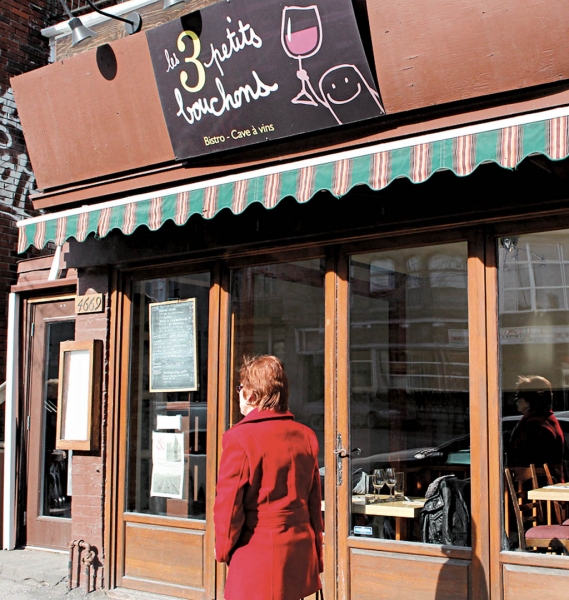
Advice from HG if a “Springtime In Paris” is contemplated. Bring a good raincoat and walking shoes. Paris is a great walking city and nice surprises lurk around every corner. Rent an apartment. Cheaper than a hotel and you can feast in your own kitchen on all the great cheese, bread, charcuterie and wine that is easily available. Wine is much cheaper in Paris than in the United States, so indulge without guilt. A restaurant lunch is a much better value than dinner, so make that your meal of the day. Always nice to have some oysters (and bulots) in a brasserie in the early evening and then purchase a good roast chicken for dinner in your apartment (The places that sell roast chickens usually have tasty little roast potatoes as an accompaniment). Paris has the world’s best chocolates. Buy some and have them with red wine for dessert. A fresh baguette with French salted butter and cafe au lait should be your daily breakfast. Paris is a movie town and scores of American films are usually on view. Just check to see if the movie is “v.o.”–In English with French subtitles. Be disciplined about museums. Yes, the Louvre, Gare d’Orsay, Pompidou. Musee Picasso, Musee Rodin are great. But, be selective about what you want to see. HG and BSk rarely spend more than two hours at a museum or special exhibit. Beyond that eyes get glazed, feet get heavy and artistic insights diminish. Though New York is really a better and more cosmopolitan food town, the ambiance, sparkle — and affordability — of Paris restaurants remain unique. Your best online dining guides are: Alexander Lobrano’s “Hungry For Paris”; John Talbott’s Paris and the blog Paris Update. If you log into Paris Update you will not only get the latest on dining, shopping, etc., but you can access David Jaggard’s “C’est Ironique,” a witty and perceptive chronicle of life in Paris. Jaggard is a journalist, translator and composer. He’s lived in Paris since the 80’s and is one of the funniest writers around. Don’t miss him. Bon appetit!!

Speaking About the Unspeakable

March 30th, 2013 § 0 comments § permalink

Natural functions being what they are, the bathroom (also known as the sanitary facility, the toilette, the Head, the W.C or the stately “Gentlemen’s Lounge”) is a necessary adjunct to dining, movie going and other pleasurable activity. In HG’s experience, the vilest bathrooms can be found in New York’s Chinatown. The smallest are in coffee bars in Italy. The most inconvenient are in Paris bistros where they are often tucked away in a subterranean alcove. The most luxurious can be found in the best London hotels like the Connaught, Savoy and Dorchester. The Oak Room of the Plaza Hotel in New York had a splendid bathroom supervised by a deft and distinguished attendant (The Plaza has undergone vast changes and HG hasn’t visited the Oak Room for decades so this may no longer be true). HG had a memorable experience in that bathroom. The super debonair actor Cary Grant (a frequent Oak Room diner) entered the bathroom with HG. Unlike HG, he did not remove his jacket. Instead, Grant unbuttoned the buttons on the jacket’s sleeves, did a quick fold and washed his hands. HG was dazzled, having long believed that sleeve buttons were merely decorative. From that time on, HG went to the extra expense of having his suit jackets tailored with operable buttons. The most architecturally distinguished bathroom HG ever encountered was the art deco masterpiece in New York’s Radio City Music Hall. In HG’s recollection, its walls had a mural extolling smoking and tobacco cultivation. It was also the first bathroom with a warm air blower for drying hands. Little HG found this innovation as exciting as any movie and spent far too much time drying and re-drying his hands. Bathroom attendants were usually anonymous personalities, obsequious gents who trolled for tips while handing out towels — but not the old guy at the Polo Grounds, the rickety old uptown New York stadium that once housed the baseball and football NY Giants. He regaled his customers with this bit of doggerel: “No matter how you shake and dance, the last drop always falls in your pants.” And he was not shy about promoting tips, singing out “After you’ve had your little pee, don’t forget to remember me — old Sam.”

Mustard — Make Mine Maille!

March 28th, 2013 § 0 comments § permalink

Maille, the French Dijon style mustard, which has been produced for 266 years, has an essential place in HG and BSK’s pantry. Although it is far better than the Made-in-the-USA Grey Poupon, the Maille mustard available in the better American groceries is not as pungent and flavorful as the Maille HG buys in Paris. It has been toned down for American tastes. To be walloped by the real Maille taste you have to go the Boutique Maille in Paris (it’s very close to the Madeleine church on the Right Bank, the church that resembles a Greek temple). At the Boutique you can buy mustard the way Paris foodies do — straight from a tap and consumed before time can steal any mustard power away. You can taste some interesting mustard flavors like chablis, honey and grape juice; white wine, apricot, blue cheese, walnut and rose. The obliging clerks provide little pretzels for tasting purposes. The basic Maille mustards (not all are exported): Dijon Originale (the smooth mustard one usually associates with Dijon); Whole Grain Old Style (great with cold cuts); Honey Dijon (nice with liver sausages); Mustard with Horseradish (try it with a choucroute); Rich Country With Cinnamon and Ginger (HG likes it with grilled Tandoori-style chicken). Americans usually think of mustard as a condiment to be squeezed or spread onto hot dogs or ham-and-cheese sandwiches. The French, however, use mustard in scores of sauces and dishes — including desserts. None of the Maille products works with Chinese food. For Chinese purposes, HG mixes Keen’s English Mustard Powder (been around since 1742) with vinegar or water. And, when HG is in the USA and powerful French Maille isn’t available, HG uses Russian or Polish mustard. These say “Hot and Spicy” or “Extra Hot” on the labels, It’s truth in advertising. These mustards stand up to the most garlic and pepper laden sausages.

Giddyap! And Pass The Salt

March 27th, 2013 § 0 comments § permalink

Lots of turmoil in Europe about adding horse meat to hamburger (and not telling consumers about it until they whinny, of course). HG presumes the French are amused. They have been eating horse meat for years and there are loads of horse butchers in Paris. Horseflesh fanciers claim the meat is healthier (less fatty) than beef and has a pleasant flavor. HG has had horse meat carpaccio (lean raw slices with a bit of olive oil and shavings of Parmesan) in Italy and found it very tasty. HG has never said neigh to seconds of this delicacy. HG has also had donkey stew in Italy (long simmered in wine and served with polenta). HG does not share the American anxiety and antipathy concerning the consumption of horse, donkey, rabbit, frog, snail, animal (and bird) innards and heads. HG has had opossum and squirrel in some southern stews (burgoo and brunswick). Gamy and good. There is a line that HG will not cross — HG will not eat anything that barks or purrs. So there will be no noshing on the dogs and cats that are considered delicacies in some parts of China. And while we are at it…No to rats and snakes. HG is just too much of a wuss.

Paddy Redux

March 26th, 2013 § 4 comments § permalink

Bob C., journalist, publisher, senatorial press secretary, horseman, befriender of burros and a fellow resident of northern New Mexico came to dinner bearing a bottle of Bushmills Irish Whiskey. BSK decided to honor the noble beverage by doing a belated Paddy Day feast. Corned beef. Potatoes. Cabbage. The ingredients got that special BSK twist. The corned beef got some good peppercorn spicing and simmered happily for about three hours. The cabbage was not boiled but stir fried in a manner derived from a James Beard recipe. The potatoes were smashed with chicken stock, olive oil and chopped green onions. The corned beef was accompanied by a parsley sauce that BSK sourced from the remarkable Colman Andrews. This was a puree of parsley, butter, milk, onions, broth from the cooked corned beef and a bit of flour for thickening. (You can find the recipe for the corned beef and the parsley sauce in The Brisket Book: A Love Story With Recipes by Stephanie Pierson, a wise and funny book by a wise and funny writer). HG provided the table with dill pickles, hot mustard, Guinness Stout and Belgian ale. Lots of laughs helped along by after dinner Bushmills indulgence. (If you enjoy penetrating writing and sharp wit, log into Bob C.’s Blog: An Old Gringo’s Gazette.