HG has been a fan of professional football for many, many decades. As a youngster, HG would be glued to the radio listening to the play-by-play feats of New York GiantsTuffy Leemans, Ward Cuff, Mel Hein, Al Blozis, Hank Soar and other heroes. When HG was a journalist in the 50’s, HG often attended Giants games and wrote “color” reports about them for Hearst Pre Date Services, a Hearst syndicate utilized by weekly newspapers. Best football players HG ever saw: Running backs Jim Brown and Marion Motley of the Cleveland Browns; Defensive back and punt returner Emlen Tunnell; and Arnie Weinmeister, defensive tackle,both of the New York Giants.. HG may be accused of old fogeyism, but HG preferred the old style pro football. Yes, today’s players are bigger, faster, more skilled. But, the level of violence is unacceptable. And, many players face Early Alzheirmer’s and other ailments after retirement. HG thought about this while watching a vicious, disgraceful game: the wild card playoff between the Steelers and Bengals. Helmet-to-helmet spearing. Punching. Cheap shots. The NFL has to review this and make appropriate reforms. There was one, happy memorable moment–the extraordinary, acrobatic touchdown catch by Pittsburgh’s Martevis Bryant. That’s one of the reasons to watch pro football–not to get a vicarious thrill out of brutality.
completely free singles dating sites
January 11th, 2016 § completely free dating uk § http://hungrygerald.com/who-is-camila-mendes-dating/
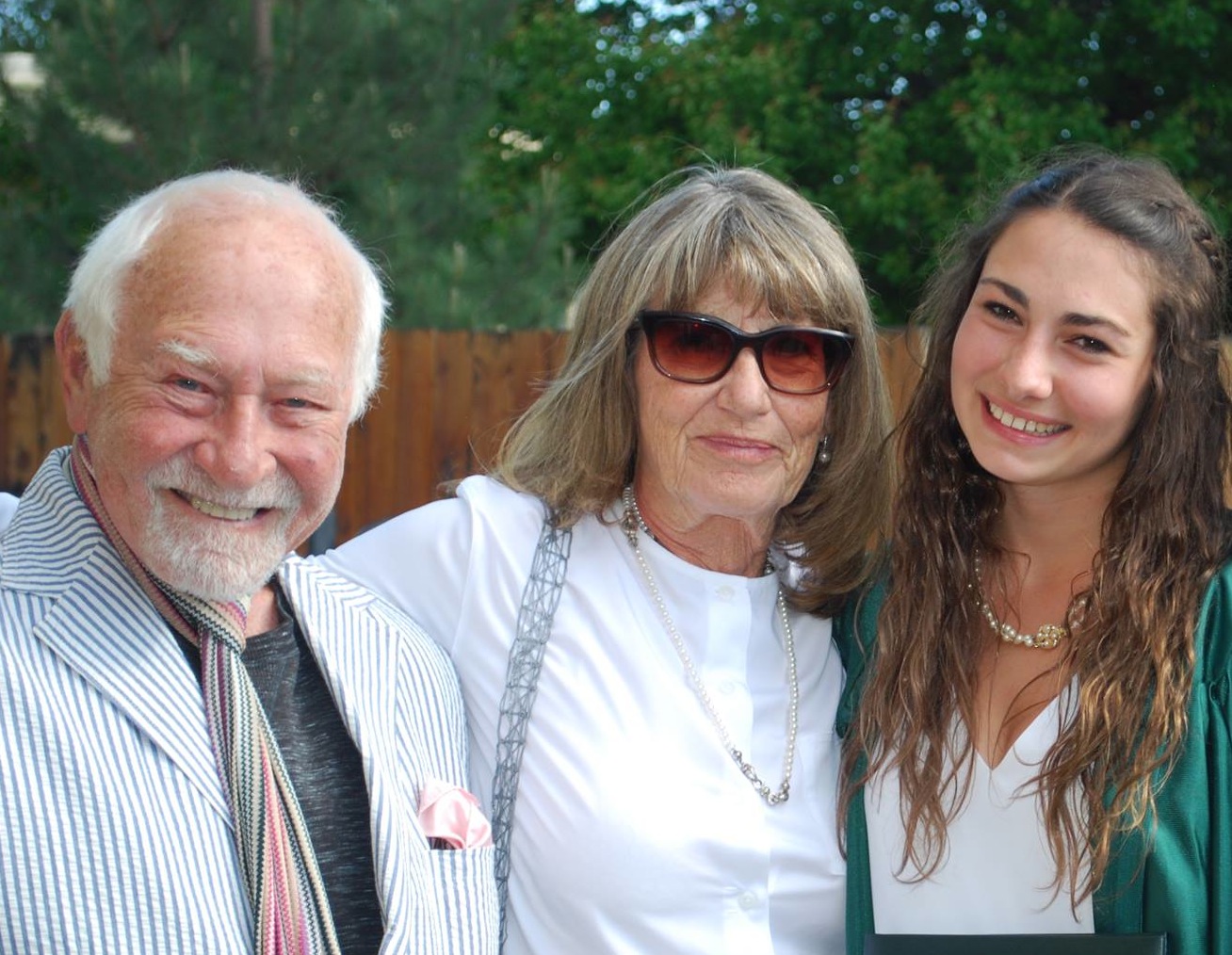
HG/BSK’s Gorgeous Granddaughter Sofia R. is spending a week with Nonno and Nonna (Grandpa and Grandma in Italian). Superstitious HG is worried. Sofia is just too gifted. Beautiful in face and form. Intellectually advanced. Good athlete (soccer, tennis). Funny. Fluent in English and Italian. Serviceable in French and Spanish. Doing well in Columbia University’s super selective and demanding International Studies program–two years in France (Reims) and two at Columbia’s New York (Morningside Heights) campus. At Casa HG/BSK, Sofia seeks cozy and snug comfort. (That’s why The Big Guy in the Sky made Elderbuddies – as they were called at the progressive Gordon School in Providence, RI, where Sofia received her primary education). This means dips in HG/BSKs’ indoor heated swimming pool. Cuddles with Toby, The Wonder Dog, who is ecstatic about Sofia’s return. Sofia spent her senior year at Desert Academy in Santa Fe and lived in HG/BSK’s casita. She helped BSK’s adopt Toby from a Pet Shelter. Toby might need therapy when Sofia leaves. Sofia reads poetry or watches TV while prone on the big black leather sofa near the fireplace. There are visits to Santa Fe and Pojoaque to meet Desert Academy friends and eat Menudo and New Mexico Green Chile dishes. BSK has met Sofia’s requests for comfort food. Lots of tortillas with melted cheese and salsa. Egg and cheese casserole smothered in green chile sauce. BSK’s robust chile made with grass fed organic beef. Chicken curry. Anchor Steam Beer from San Francisco. HG/BSK will miss this magical young woman.
Ah Guteh Nashumeh
January 10th, 2016 § 0 comments § permalink
Tough day for HG. Pneumonia is back. Big time. (“Mother of God. Is this the end of Rico?” — words from Edward G. Røbinson in the 1930’s gangster film,”Little Caesar.”) Fear not. HG will hang around. And, the reason HG will hang around is because he is married to the best woman in the world. Beautiful. Chic. Sexy. HG and BSK have been married for 52 years. HG is not an easy companion. HG believes BSK deserves a Congressional Medal of Honor with an Oak Leaf Cluster for putting up with HG for more than a half century. Her golden virtues have not tarnished. BSK is a wonderful mother and grandmother, loving, helpful. BSK is much loved and BSK deserves all their love…and more. BSK is an efficient household manager. As the old country song puts it: “If my woman can’t do it, it can’t be done.” Splendid cook, decorator. Excellent judge of wine (HG confesses.BSK is HGs’ favorite sommelier). A brilliant artist, BSK’s hand formed pots are in demand. Sold a beautiful cross yesterday to artistically knowing collectors. BSK shines when the going gets tough. During HG’s pneumonia, BSK has supplied HG with antibiotics, other drugs, water, tea and biscuits, Kleenex. BSK has created a comfort zone before HG/BSK’s bedroom Kiva fireplace. Computer. Phone. Pad. Pens. HG’s Mom, Chaika (Ida) Kopkind was parsimonious with praise for women. Not impressed with fine manners or elegant graces. She was down to earth. Her highest praise for a woman was to call her ah guteh nashumeh – “a good soul”. This has nothing to do with anything superficial. It has to with deep down goodness, HG must confess. HG’s Mom was not “ah guteh nashumeh.” Her life was just too tough. Chaika Kopkind died without really knowing BSK. If she lived longer, HG believes, she would have acknowledged BSK as an authentic “guteh nashumeh.”

Guiltless Fun
January 6th, 2016 § 0 comments § permalink
New Year’s Day is the best day for hours of guilt-free, wintry enjoyment. HG is very fond of politically incorrect cheerleaders; huge bands going through their dopey maneuvers; thousands of passionate fans. It is acknowledged and forgiven by BSK that on New Year’s Day, HG joins millions of red blooded American he guys getting prone and watching hours of bowl games. HG missed two games–Tennessee vs. Northwestern and Michigan vs. Florida. However, HG was gratified by the results. The Vols and Big Blue romped. Then, on to the day’s grid feature–Ohio State vs. Notre Dame. HG loves Ohio State for these reasons: HG’s late cousin Morris, a flight instructor with the World War Two RCAF, died when a student panicked, seized the controls, crashed) was the manager of the OSU football team. BSK went to high school in Galion, Ohio (dated a high school football All-American) and attended OSU before graduating summa cum laude from Hunter College in New York. BSK, strangely, is not interested in OSU’s athletic fortunes. HG is passionate about the Buckeyes because they made money for him when money was needed desperately. HG’s partner had embezzled substantial money and disappeared. The IRS was after HG. The Mafia was after HG (the partner was a degenerate gambler, owed lots of dough to mob bookies, and that’s what led to the flight.) The bad boy partner hadn’t paid the suppliers to HG’s public relations firm and had flim-flammed many of the firm’s clients. HG was desperate. His solution was to scrape together a lot of money and place a very big bet on Ohio State in the 1968 Rose Bowl. (HG, in the sixth year of his marriage to BSK never told BSK the amount o the bet–$10,000–since some of the money came from a mob “Shy”). Despite O.J. Simpson’s heroics (an 83-yard run) in the first half, OSU won handily. O.J. had HG’s curse upon him. Fumbled three times and all were recovered by OSU. Also threw an interception. HG/BSK were on the road to solvency and within two years bought their first Montclair, NJ, home and had the IRS lien lifted from their joyous Fire Island home.And, that was the end of money worries. Thank you Jack Tatum and other OSU heroes. Farewell, memory lane and back to 1/1/2016. HG thought it unjust that OSU wasn’t among the Final Four. Powerful defense. Creative offense (nothing like this old Woody Hayes teams). As HG anticipated, OSU overwhelmed a very gallant Notre Dame team. Then watched Stanford’s Christian McCafferty put on a spectacular show against Iowa. This back is the real deal. Loved to watch his father, Ed, play as a Denver Bronco. The kid surpasses his dad. Deserved the Heisman. Finished football day. Oklahoma State vs Ole Miss. Mississippi is a powerful SEC team. Too tough for the Cowboys.

New Year’s Eve
January 5th, 2016 § 2 comments § permalink
HG has never enjoyed this traditional party event. Too noisy, too drunken — too anxious in the pursuit of joy with “partyers” grimly determined to have a good time. This New Year’s Eve was different. HG had a glorious time. A group of delightful friends and neighbors joined HG/BSK. Roaring blaze in the fireplace, Yo Yo Ma on the Bose. Many candles. The Celebrants: Polly B. and David F. (Polly B. is a brilliant photographer and David F. is an eminent educator,historian, novelist. Karen K is a movie producer,film maker, gardener,agriculturist (She supplies HG/BSK with phenomenal eggs). She is also a supreme maker of desserts (HG has labeled her The Dessert Queen). Rounding out the party was Chris, Polly’s daughter who resembles her Mom. Funny. Pretty. And, of course, there was Bob C, HG’s friend of some 30 years. Bob had a long career as a reporter, editor, publisher, columnist. And, for a while, was the media counselor for a United States Senator from Colorado. The group did some festive dining. Tomato and Anchovy butter bruschetta. Prosciutto di Parma with Piquillo peppers. Rigatoni with Bolognese Ragu (Marcella Hazan’s version). Green salad. Italian truffle cheese. Karen K.’s dessert: lush rum cake with whipped cream. HG added splash of rum to his portion. Five bottles of very good red wine were consumed plus some after dinner Sambuca. During the jolly evening, HG gently berated Bob C.. Bob C. is a delightful writer on many subjects: His Abiquiu, N.M. neighborhood; horses, dogs, politics. New Mexican government skullduggery., etc.. He writes about these things on his blog: oldgringosgazette.com. He has been desultory of late. He promised HG he would mend his ways. Voila !!! A new, sparking blog entry appeared New Year’s Day. HG followers: Read Bob’s blog and add to your stockpile of pleasure.

Beautiful Broccoli
January 4th, 2016 § 2 comments § permalink
There’s a famous New Yorker Magazine cartoon of the 1930’s. Mother and young daughter seated at dining table. Mother: “It’s broccoli, dear.” Daughter: “I says it’s spinach. And, I say the hell with it.” The senior President Bush also expressed disdain for broccoli. Why? If treated respectfully, it is a queenly vegetable (nutritious, too). Broccoli (also Brussels sprouts) can be a horror when cooked into mush in the old fashioned English style. Little SJ, a fledgling gourmand, once complained that his friend’s Mom served “mushy broccoli.” Among BSK’s manifold talents is the ability to do justice to broccoli. BSK makes the ultimate penne with broccoli sauce. Rivals the penne with broccoli once served at the long closed (sigh!) Delsomma Restaurant in New York’s theater district. BSK always manages to find very fresh organic heads of broccoli. Stir fries the florets with sesame oil, garlic and ginger as part of a Chinese meal; with garlic and olive oil for Italian eating; steamed to accompany fish. Roasts broccoli in the oven French bistro style. All splendid. Purees broccoli with a variety of greens and herbs to make a fabulous “green” soup. Good hot or cold. HG often tops a bowl with some Greek yogurt dusted with a bit of cayenne. The dash of fiery spice makes it sing.

The Men’s
January 2nd, 2016 § 0 comments § permalink
The door is marked “MEN” (sometimes “GENTLEMEN”). It is the sign of the men’s bathroom, an essential facility in any restaurant (or any other public area, for that matter). Since HG has become an old guy, the presence of a bathroom has become a matter of necessity. Men’s bathrooms vary in quality from sumptuous to vile. In HG’s younger days, better restaurants had bathrooms staffed by courteous attendants who handed visitors towels and soap. There was a bowl for tips. The Algonquin Hotel had a very distinguished attendant and the luxurious bathroom that served the Oak Room of the Plaza Hotel had an attendant with the manners and bearing of a European aristocrat. (HG once shared a visit to the Oak Room bathroom with movie star Cary Grant, a paragon of style and elegance). French bathrooms vary in quality from stylish to serviceable to disgusting (“Turkish” toilets that are holes in the floor). The quality of food served in a restaurant cannot always be judged by the quality of its bathroom. Most New York Chinatown bathrooms are deplorable while the food is splendid. Bathroom attendants maintained anonymity. The exception was the bathroom attendant at New York’s long demolished Polo Grounds, the stadium in north Harlem that once housed the New York football and baseball Giants. The old African-American gent in charge of the men’s room would chant: “No matter how you shake and dance, the last drop always falls in your pants.” He added: “After you’ve had your little pee, don’t forget to remember me. Old Sam”. He was always tipped.

Be It Ever So Humble
January 1st, 2016 § 0 comments § permalink
After being absent for more than five weeks, HG/BSK are back in their New Mexico home. Toby, The Wonder Dog, was glad to see his pals but resentful about his long abandonment. Needed the reassurance of sleeping all night atop HG/BSK’s bed. Happily, the frisky fellow is now back to normal. Landing in Albuquerque, HG/BKk faced a ferocious snowstorm and road closures. Spent the night in a Holiday Inn. Good bed, shower, internet. HG/BSK are getting back in the Land of Enchantment rhythms. Wonderful pork chops dinner. A roast spatchcocked chicken in the offing. HG (knock wood) seems to have recovered from his pneumonia bouts and is off antibiotics. This means a return to alcohol (BSK says it’s a mixed blessing).

Noodles
December 30th, 2015 § 0 comments § permalink
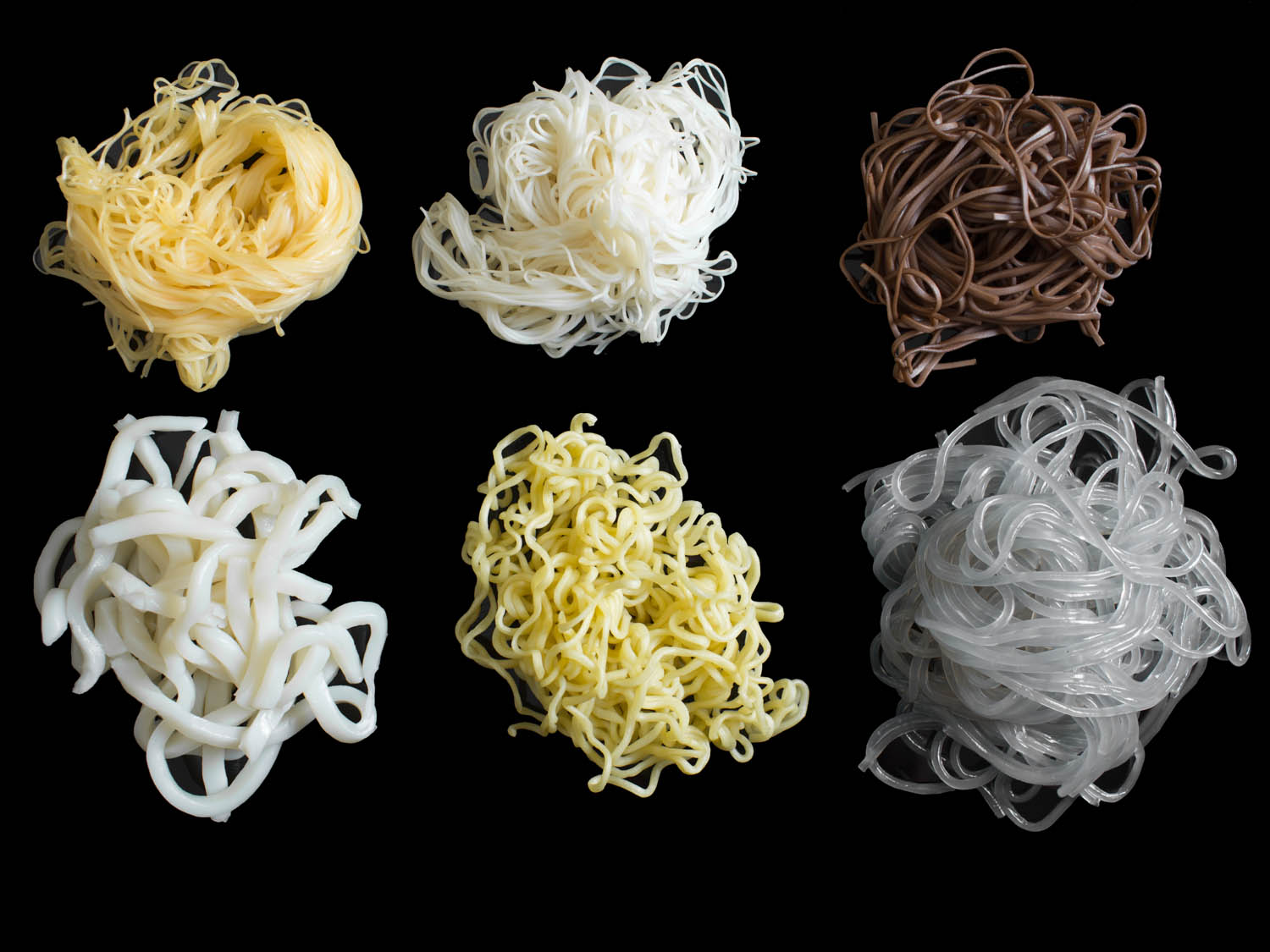
HG is a passionate devourer of noodles in all their varied forms: Italian pasta, Japanese ramen; Chinese egg and rice noodles (plus rice sticks and cellophane noodles). Also, plain old all-American egg noodles. HG’s Mom would often delight the growing youngster with excellent noodle dishes. “Lukshen kugel” (A baked dish of noodles, onions, garlic and chicken fat. Galician Jews made this dish with sugar and cinnamon. Feh!!). Egg noodles with butter and old fashioned “pot’ cheese. (Still a favorite HG breakfast). Hearty chicken soup with home made noodles. When HG discovered the cheap Chinese restaurants of HG’s youth, Lo Mein became a favorite. HG’s Chinese noodle repertoire expanded to Chow Fun, fiery Chengdu noodles that numbed HG’s lips, fried noodles Singapore- style etc. Japanese ramen is hard to find near HG’s Santa Fe County home. (A good ramen bar opened, made HG happy, closed. Owner moved the eatery to Seattle). HG makes do with Korean (very spicy) instant ramen mixed with Kimchi. Of course, nothing is better than Italian pasta in its almost infinite forms. Number one is BSK’s perfectly prepared spaghetti with virgin olive oil, garlic, parsley and red pepper flakes (Sometimes BSK adds anchovies which dissolve in the sauce). A runner up is linguine with clams followed by spaghetti carbonara. And, that’s followed by trenette with pesto. HG could go on and on. When feeling sickly, HG is heartened by a bowl of chicken broth mixed with beaten egg, parmesan cheese and pasta in a very tiny form–Orzo. No, HG has not forgotten papardelle with ragu, that lush sauce of long simmered meat, tomatoes, carrots, onions, etc.. That’s what Lesley R. prepared for dinner last night accompanied by a huge green salad. Finished withe cheese and fruit. HG indulged in a dessert of Pandoro with whipped cream as did Massimo R. There was a gift bottle of cognac on the table and the Profesore doused his Pandoro with a goodly pour of that magic liquid, creating an Italian version of Baba au Rhum.
Victoria
December 29th, 2015 § 2 comments § permalink
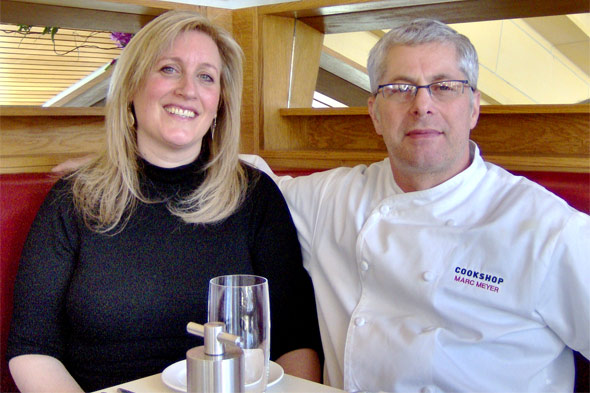
In writing about family and Christmas, HG didn’t mention HG’s magnificent daughter Victoria. She (and super chef husband/partner Marc Meyer) didn’t make it to Rhode Island this year. Not surprising when you are running four hot and busy New York restaurants (Rosie’s, Vic’s, Cookshop, Hundred Acres). How Victoria manages to juggle being a top restaurant executive, wife, stepmother is beyond HG. She never seems ruffled. Her face is always aglow with welcome. In a city replete with tension and attitude, a Victoria-Marc restaurant is always a happy haven. (And, of course, the food is marvelous). On HG/BSK’s recent visit to New York, Victoria lavished generosity upon the duo. The Yiddish word for free loader is “shnorrer.” HG/BSK are world class “shnorrers” when Victoria is around. Gentle Readers, makes this new year resolution: Dine at Rosie’s (Mexican); Vic’s (Italian); Cookshop (Mediterranean); Hundred Acres (American regional). Say HG sent you.