Yes, horse and wagons were still present on many New York streets during the 1930’s when HG was a youngster. Not plentiful, but not unfamiliar (as was the scent of horse droppings). Many of the Italian greengrocers transported their goods via a horse and wagon (as did the ice men who serviced ice boxes in non-refrigerator neighborhoods). In 1933, little HG was so bemused by the sight of refrigerator installation in a nearby apartment house that the little fellow had an embarrassing sanitary accident. HG’s late, beloved father, Hershele Tsvi Freimann (anglicized to Freeman at Ellis Island), loved horses. He couldn’t pass a horse and wagon without scratching the horse’s nose and having a nuzzled conversation. Father (nicknamed “Grisha” in his youth), rode horses every day in his native Belarus. He was also in charge of the horse and wagon that delivered wheat to the family mill. Surprisingly, this mill escaped damage during numerous Czarist pogroms and the unrest of the Russian Revolution until World War Two. Then, the Germans destroyed the mill and killed the Jews in Father’s home town of Smulovich. Some Jews escaped and joined partisan groups. A Freimann cousin survived by escaping to the east. In 1917, before HG was born, HG’s father was forced to flee the city after his actions in labor union wars made New York too dangerous. Father, Mother and late, elder brother, Bernard, left The Bronx for Harrisburg, Ohio, via horse and wagon driven by Father. Their destination was the farm of Fanny Kravitz, Mother’s sister. During their one year residence there, Mother and Father recalled, with much fondness, the weekly square dances at their rustic hideaway.
Happy Great Depression
May 4th, 2018 § 0 comments § permalink
Yes, the Great Depression of the 30’s was a tough time but HG can only remember it with fondness. The family escaped the heat of summer by renting a tiny living space in a boarding house on B.114 Street, Rockaway Park. Rent was $60 for the summer season —end of the school term in June through Labor Day in September (though little HG liked school and was an excellent scholar, tears were shed when the time came to leave the sea and sand of the glorious Rockaway beach). The vacation apartment consisted of a bedroom where Mom and Dad slept; a foyer where HG’s late, beloved sister, Beulah slept; a kitchen where little HG slept between the dining table and ice box. Yes, there was an ice box (no refrigerator) containing a big block of ice delivered by a sturdy Italian. The ice melted into a basin and it was little HG’s job to empty that basin. When HG forgot and flooded the kitchen, HG was chastised. Toilet (communal) was in the outside hall. Showers were in the basement. One temperature: Icy cold. Primitive? Yes. But, the family was happy that it could afford a summer vacation place. Meals were jolly. Lots of sweet corn and ripe tomatoes (plus a meat or fish dish) washed down with cold beer. Little HG brought the beer in a tin “growler” from Reidy’s, the corner saloon. (When HG was a bit older, HG had an “Abie’s Irish Rose” romance with lovely Peggy, the proprietor’s daughter). As a special treat, HG was sent to Barney’s on nearby Rockaway Boulevard to pick up a container of superlative, hand made ice cream. Fleet HG ran both ways to make sure the frozen delight didn’t melt. Happy days at the “Proletarian Riviera.”
Innards Finale: Lungs, Spleen, Heart, Gizzards
May 2nd, 2018 § 0 comments § permalink
Lungen mit Miltz was on the menu of traditional New York Jewish restaurants (all gone) of yesteryear. (Gluckstern’s also served tripe). Like the African-Americans of the racist South, the impoverished Jews of pre-World War Two Europe ate every bit of the cow, inside and out. (Unlike the African-Americans, Jews, of course, didn’t eat swine). Lungen mit Miltz was a stew of lungs and spleen. Lots of garlic, onion and chicken fat gave it flavor. This was a dish not favored by HG but relished by HG’s late, beloved father. When little HG accompanied his father on a clothes buying expedition to the Lower East Side, Dad and Son lunched at a plain spoken “Romanian/Jewish” eatery. Dad had the lungen stew plus P’tcha, jellied calf’s foot. Son had karnezlach, garlic and onion infused ground beef, shaped into fat cigars and broiled. Accompanied by Mamaliga, the Romanian version of polenta. Both dishes were anointed with plentiful chicken fat poured from a pitcher on the table. Seltzer was the beverage. The only, time HG ever had spleen was in the form of a sandwich (bread was a soft bun) on the street in Palermo, the colorful Sicilian city. It was okay, not great. HG ate braised heart in French bistros on the far West Side that catered to French seamen. A strong taste. Not for the faint hearted. HG tasted grilled chicken gizzards once at a Japanese restaurant (accompanied by SJ). Tasty. However, HG has learned that “Gesiers” (duck gizzards) are superior. Usually served as part of a salad in Paris bistros. Must try if HG ever gets back to Paree.
More Innards: Tripe
May 1st, 2018 § 0 comments § permalink
Tripe. Yes, it’s an unattractive word. Tripe is the stomach lining of a cow. Prepared properly, it is a delicious dish. Here in New Mexico, tripe is thoroughly soaked and cleansed and then slowly braised with pig feet for flavoring. Plus onions, garlic, oregano,etc. The pig feet are removed after cooking (though some very Mexican eateries in southern New Mexico serve the pig feet). This Mexican tripe stew is called Menudo and it is a food passion for HG. For health reasons, HG limits Menudo intake to one bowl a week. That’s because, though low in calories, Menudo contains unhealthy fat. Many Menudo fans add posole to their bowl for a very filling meal. Not for HG, just chopped onions, Hatch green chile and squeezes of lemon. Sometimes, HG crumbles a Saltine cracker in the savory broth. Best Menudo is served at El Parasol in Pojoauque on Highway 285. Close by is Sopaipilla Factory which serves a more sophisticated version of Menudo. The tripe stew is also available at Brazos in Santa Fe and Agelina’s in Espanola. The French, naturally, are big fans of tripe and cook it in a variety of ways. Lyonnais favorites are thin pan fried breaded pieces of tripe with onions and garlic. Usually served with potato puree. Also, tablier de sapeur (fried and breaded honeycomb tripe which is first boiled and marinated in white wine). A Paris favorite is a stew called tripes a la mode de Caen. Originating in Normandy, tripe is baked (between 7 and 14 hours) with a calf’s foot, onions, celery, spices, white wine and a generous shot of Calvados. It is a specialty at the venerable Paris restaurant, Pharamond. The rowdy all night bistro, Chez Denise, offers “Tripes au Calvados” for 23 Euros. It is a very large pot of tripe and it takes a hero with a big stomach to finish it. Tripe used to be on the menus of many old style Italian and French restaurants in New York. Then it disappeared. Now making a modest comeback. Victoria Freeman (HG’s beloved daughter) and husband/chef Marc Meyer introduced Menudo at their ultra-authentic Mexican restaurant, Rosie’s. Their convivial Margarita-sipping clientele would have none it. Took it off the menu before sad HG could savor.
More Innards: Sweetbreads
April 30th, 2018 § 0 comments § permalink
Sweetbreads are the thymus gland of a cow. When cooked properly, they are one of the truly sublime delicacies. They have always been a staple on the menus of fashionable restaurants in New York. Veal sweetbreads are the best. In Paris, sweetbreads (ris de veau) are served in scores of eating places catering to budgets big and small. They are usually sautéed and served with a variety of sauces. The trick is in making the exterior crispy while keeping the interior meltingly soft. HG’s favorite sweetbreads dish was served at the Oak Room of the Algonquin Hotel. The sweetbreads were presented on a slice of lightly fried Virginia ham and topped with a generous amount of Béarnaise sauce. Very good sweetbreads were obligatory as part of the vast appetizer presentation at Jewish weddings, Bar and Bas Mitzvahs. BSK got a surprising (and shocking) revelation about culinary overabundance at the first New York Bar Mitzvah feast BSK attended with HG after their marriage. The event was at a fancy Queens catering hall. There were two appetizer tables–cold and hot. Cold featured chopped liver, smoked salmon, sable, whitefish, kippered salmon, red salmon caviar, egg salad, herring salad, potato salad, whitefish salad, olives, pickles, sliced onions, scallions, celery, Greek salad, green salad plus cheeses, bread and rolls. The hot table held sweetbreads, sliced tenderloin steak, baby lamb chops, pigs in a blanket, Greek spinach pastry plus bowls of a mushroom, wine and onion sauce. Glass of white wine in hand (later replaced by red), BSK took modest helpings of all the good things, cold and hot. HG, with a frequently refilled glass of vodka, attacked everything with gusto. After more than an hour of eating and drinking, BSK said: “Wow!! What great food. I overdid. I ate too much.” Then a voice sounded over the loudspeaker system. “Ladies and Gentlemen: Dinner is served. Please take your seats in the dining room.” Astonished BSK said: “They’re kidding. This is a joke.” “Nope,” replied HG.
More Innards: Tongue
April 29th, 2018 § 0 comments § permalink
BSK doesn’t like tongue. Her reason: Cow’s tongue looks like a very large human tongue. This resemblance has never bothered HG. Instead of corned beef or pastrami, HG often ordered a tongue sandwich on rye (slathered with mustard) at traditional New York Jewish delis (alas, now dwindling down to a precious few). Unlike many innards, tongue has a firm, juicy texture. It is delicious. Tongue (you’ve got to special order from your butcher) cooks easily in a crock pot or Instant Cooker. When done, remove the outer membrane and heat in the sauce and juices that are in the pot. Best tongue dish ever was served at Al Cooper’s (long closed), a favorite eatery of New York’s upper crust garmentos. The thick slice of juicy tongue was served with perfect creamed spinach and a crock of hot English mustard. Tongue often appears on Paris bistro menus with a variety of sauces: Horseradish/mustard; mushrooms and onions; capers and shallots, etc. In Santa Fe, HG gets his tongue fix at Adelita’s Taqueria on Cerrillos Road where lengua (tongue) and tripe tacos are on the menu.
More Innards: Liver (Calf and Chicken)
April 28th, 2018 § 0 comments § permalink
During HG’s youth (many decades ago), liver and onions were served at all working class diners (“greasy spoons”) in New York. The liver was a thin slice with a grey interior. Young HG would give the unappetizing slice a big hit of mustard and gobble it up. Unlike the health police of today, HG’s late Mom insisted “Liver is good for you” and served HG many overcooked portions. Mom redeemed herself with chopped calf’s liver. Her version contained chopped onions (sometimes a bit of hardboiled egg) and an abundance of chicken fat. Some kosher salt, ground pepper, Stuhmer’s pumpernickel bread, cold beer—and Mom’s chopped liver. Eastern European heaven. HG never realized how delicious calf’s liver could be until he had a broiled slice at a modest Paris bistro. A thick slice with a juicy, pink interior. The liver had been marinated in Xeres (sherry) vinegar and served with a splash of melted butter. Accompanied by potato puree. Simple French cooking at its best. Chicken livers are one of HG’s favorite bits of offal. Greek owned New York and New Jersey diners used to serve them over rice pilaf. The liver were dusted in flour and fried to a brown exterior and pink interior. Good eating. Surprisingly, the New York chain of Schrafft’s restaurants (long closed) served a hearty dish of scrambled eggs with chicken livers. In France, chicken livers are often served as a topping for green salad. Sautéed chicken livers are the foundation of Spaghetti a la Caruso, a favorite pasta dish of the great Italian tenor, Enrico Caruso. Try this lusty pasta variation and you might warble some arias.
Innards: Tete De Veau
April 27th, 2018 § 0 comments § permalink
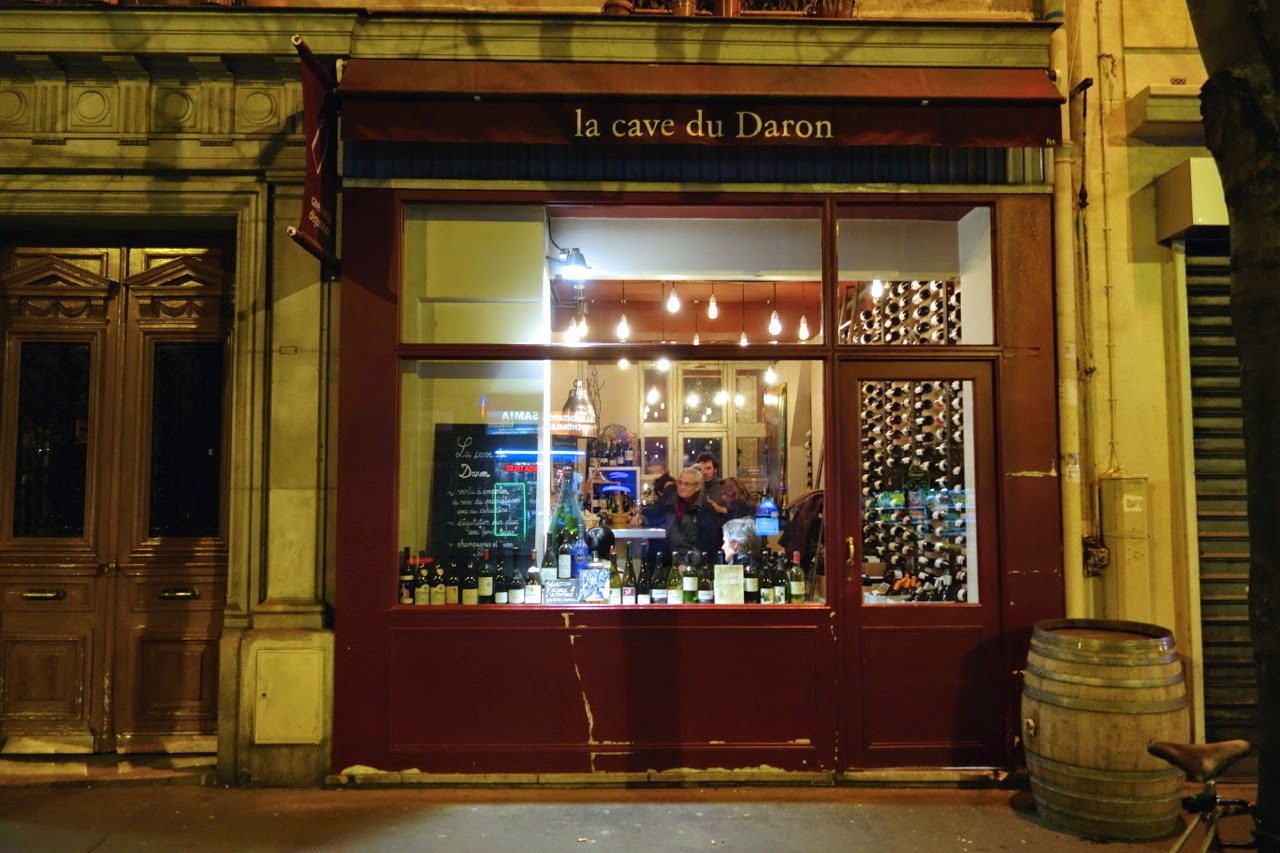
That’s right. HG refers to cow’s (or calf’s) head. The interior (brains, tongue, cheeks) are wrapped in the calf-skin — a treat. Guidebooks warn Americans to avoid this dish (served at almost every modest bistro in Paris). Adventurous HG has never heeded this counsel. HG finds the dish lush. Don’t try to make it at home. The cooking and dismembering of the head is very complicated and is best left to a French-trained butcher. (HG doubts that many of HG’s followers are going to rush to their butchers for the heads of cows). HG has had splendid tete de veau in Paris at Le Stella brasserie. It’s good at Le Vaudeville near the Bourse. Enjoyed it at a (name forgotten) little workers bistro near the Bastille. The dish is unthinkable without a substantial amount of Sauce Gribiche. This is a sauce composed of mayonnaise, mustard, chopped parboiled eggs, capers, chopped herbs (and, sometimes, cold little boiled potatoes). HG makes this sauce at HG/BSK’s oceanfront summer home on Prince Edward Island. It is sublime topping fried hake, haddock or sole. Adds zest to poached cod or left over chicken breasts. HG gives the sauce added zing by adding a modest amount of cayenne. Food critics who like old fashioned, hearty French dishes, tout the tete de veau at a rough and ready wine bar on the right bank, Le Rubis. The Sauce Gribiche is served in gargantuan portions. Ah, yes. Next time in Paris.
More Innards: Kidneys
April 26th, 2018 § 0 comments § permalink
Prepared properly, kidneys are delectable. However, they have to be properly cleansed before cooking in order to get rid of any urinary undertones (Do some Google research to find cleansing techniques). On the other hand, Leopold Bloom (fictional hero of James Joyce’s Ulysses) famously stated that he liked kidneys for the faint trace of urine they left upon his palate. Kidneys (rognons) are on almost every French bistro menu. Prepared in a variety of ways. Mustard sauce. Wine and garlic. Tarragon and butter. HG had lamb kidneys seared on the exterior and pink inside at a pleasant bistro near the Eiffel Tower, Au Bon Accueil. The kidneys were served with ample, buttery potato puree. Mario Batalli, the colorful Italian chef, has a good recipe for fiery Kidneys a la Diabolo. Sardi’s, the New York theater district landmark, had tasty lamb chops accompanied by grilled kidneys (Caution: This was 50 years ago). Steak and kidney pie is an English standby, of course, and HG had a lush version at London’s Connaught Hotel. When Greenwich village residents, HG/BSK often picked up a container of kidneys in mustard sauce from the prepared foods section of Balducci’s, the wonderful Sixth Avenue grocer. Most Americans are suspicious of kidneys. They are missing a treat.
Do I Miss New York?
April 25th, 2018 § 0 comments § permalink
That’s the title of Dave Frishberg’s nostalgic tune (Frishberg is also the author of the ultimate baseball song, “Van Lingle Mungo.”) So, does HG miss New York? No and yes. HG spent the first 56 years of HG’s life in New York and its environs and the next 32 out west in Colorado and now in Santa Fe, New Mexico. The New York HG misses no longer exists. It has been taken over by the rich, the semi-rich and the wannabe rich. While some quirky little shops and restaurants remain, much has been crushed by the Real Estate Monster (It’s a sign of the times that a Real Estate Monster is POTUS). What HG misses most are HG’s youth and young manhood. Non-recoverable. However, there’s a bright side. BSK is the best wife, companion, lover, intellectual and political comrade that any lucky man could have. HG hit the marital jackpot. Will celebrate 55th anniversary in July. HG remains in love and eagerly awaits BSK’s next culinary and artistic creations. Santa Fe has wonderful climate, distinctive architecture, nearby natural wonders. Progressive, super-liberal politics. More artists and art per square foot than anywhere else in the USA. Unique culture: Anglo, Hispanic and Native American. Tasty, inexpensive Mexican-New Mexican-Tex/Mex eating places. Also, very good Japanese and Indian food. A movie town de luxe with big screens cinematheques and repertory. Museums, galleries, live theater and music of all kinds. Plus lectures on all aspects of politics, government and the environment. However. No city, region or person is perfect (except BSK, of course). Santa Fe does not have a good Chinese restaurant. HG has always thought that an abundance of Jews spawned Chinese restaurants. Well, Santa Fe has Jews (two synagogues), but inferior Chinese food. Go figure.